
LONDON ONTARIO's HYDRONIC HEATED DRIVEWAY CONTRACTOR
A hydronic heated driveway melts snow and ice automatically using warm fluid circulated beneath the concrete. ESSES Concrete Group designs custom systems for London, Ontario and nearby areas.
LICENSED AND INSURED
PREMIUM CONCRETE MIXES
TWO-TIER WARRANTY PROTECTION
RELIABLE HYDRONIC HEATED DRIVEWAY SYSTEMS
A hydronic heated driveway is a practical option for larger surfaces that need dependable snow and ice melting. The system circulates warm fluid through tubing installed beneath the concrete, helping heat the surface evenly across the selected areas.
ESSES Concrete Group plans the concrete, tubing layout, heat source, controls, and drainage as one complete system. We consider your driveway size, property conditions, winter exposure, and preferred heated areas before creating a design that fits your home.
HOW A HYDRONIC HEATED DRIVEWAY WORKS
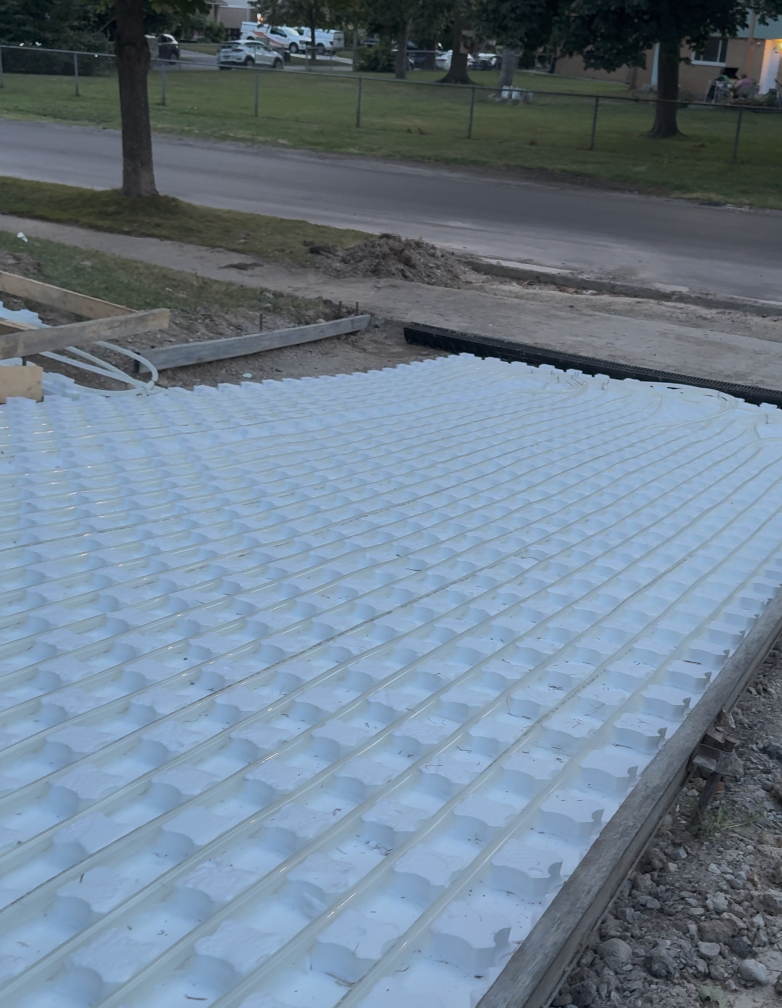
A hydronic system circulates heated fluid through tubing beneath the concrete. Each component works together to warm the surface and melt snow and ice.
EMBEDDED TUBING LOOPS
Tubing is installed beneath the concrete in an even pattern. Heated fluid moves through the tubing and warms the surface above.
BOILER OR HEAT SOURCE
A boiler or compatible heat source warms the fluid before sending it through the tubing system.
MANIFOLD AND CIRCULATION PUMP
The manifold directs fluid into each tubing loop. A circulation pump keeps the heated fluid moving throughout the system.
TEMPERATURE AND MOISTURE SENSORS
Sensors detect cold temperatures and moisture. This allows the system to turn on automatically when snow or ice begins.
ZONE CONTROLS AND PROGRAMMING
Separate controls can heat selected areas, such as the driveway, walkway, entrance, or parking space.
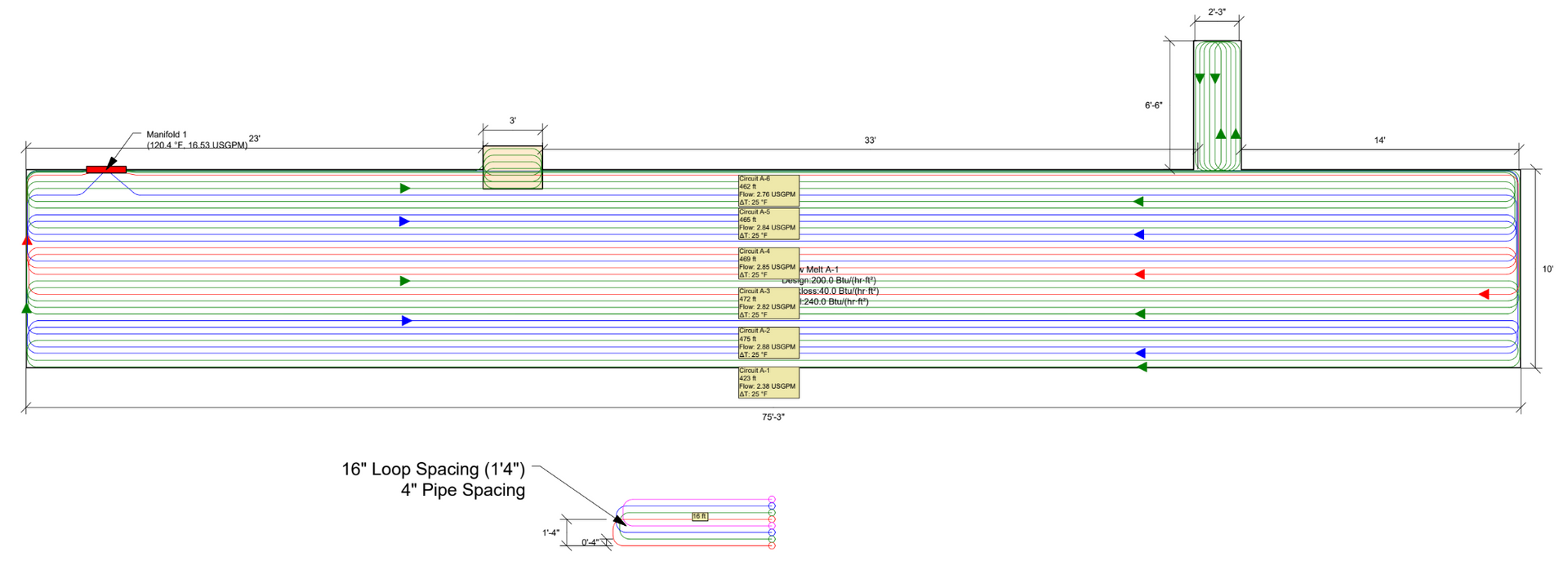
hydroniC pex layout diagram
OUR HYDRONIC HEATED DRIVEWAY PROCESS
A hydronic driveway heating system requires careful planning before the concrete is poured. Our team coordinates the heating components and concrete work through every stage of the project.
Step 1
SITE REVIEW AND SYSTEM DESIGN
We measure the proposed heated area, inspect the property, and review drainage and access. We also discuss which parts of the driveway you would like to heat.
Step 2
EXCAVATION AND BASE PREPARATION
Existing materials are removed when needed. The area is graded, compacted, and prepared to support the concrete and heating system.
Step 3
TUBING LAYOUT AND PRESSURE TESTING
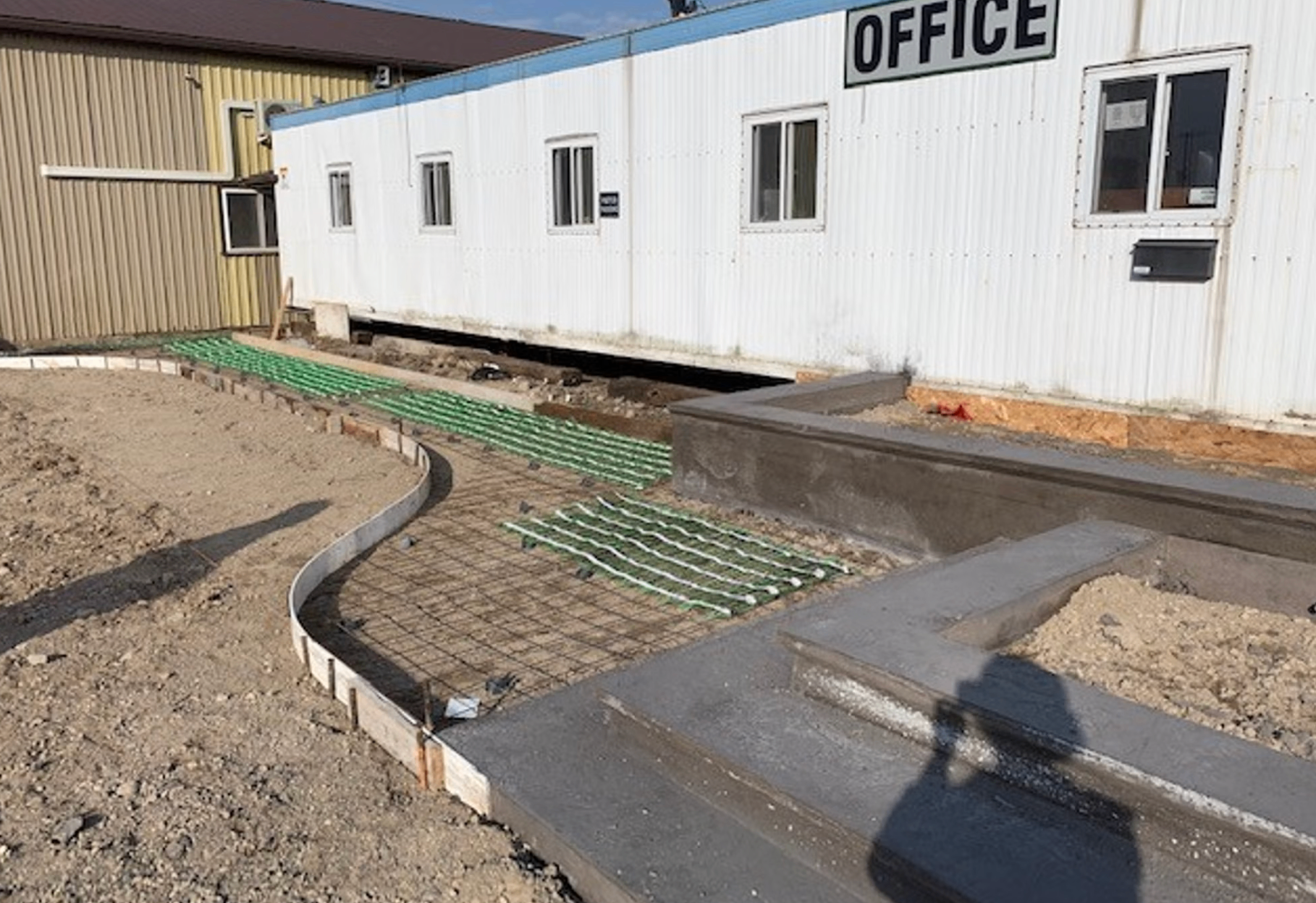
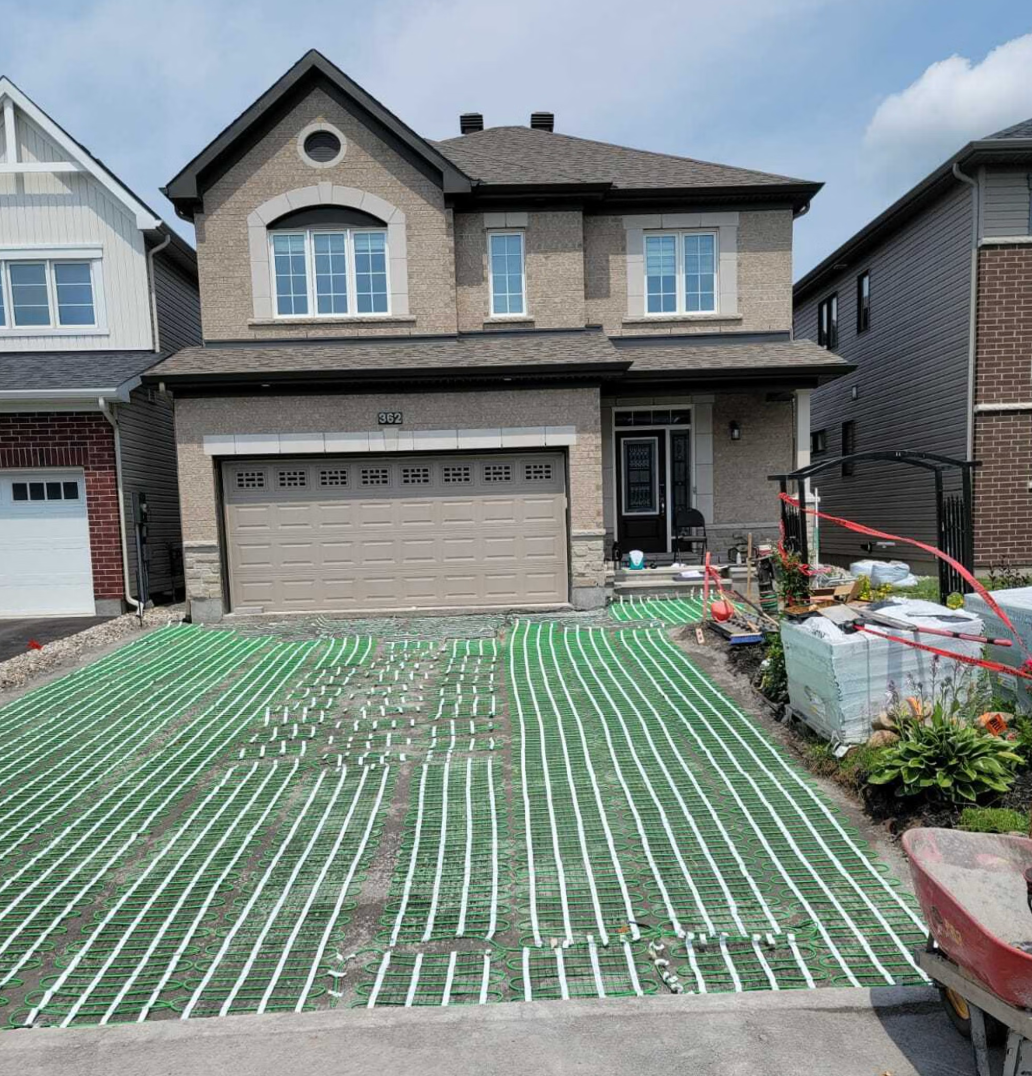
The tubing is arranged according to the engineered design and secured in place. We pressure test the system before pouring the concrete to make sure each loop is free of leaks.
Step 4
CONCRETE POUR AND FINISHING
Concrete is carefully placed around the tubing without disturbing its layout. The surface is then finished based on your chosen appearance and project requirements.
Step 5
SYSTEM CONNECTION AND TESTING
The tubing is connected to the boiler, pumps, manifold, sensors, and controls. We test the completed system and explain how to operate it.
WHY YOUR HYDRONIC HEATED DRIVEWAY INSTALLER MATTERS
A heated driveway combines concrete work with heating equipment, tubing, sensors, controls, and drainage. Each part must be planned correctly to help the driveway heat evenly and operate efficiently.
Poor tubing placement can leave cold spots where snow and ice remain. Incorrect grading can also cause melted water to collect or freeze near the edges of the driveway.
ESSES Concrete Group plans the concrete and heating system together. Our coordinated approach helps protect the tubing during construction and makes sure the finished driveway works as intended.

EXPLORE OUR RECENT PROJECTS
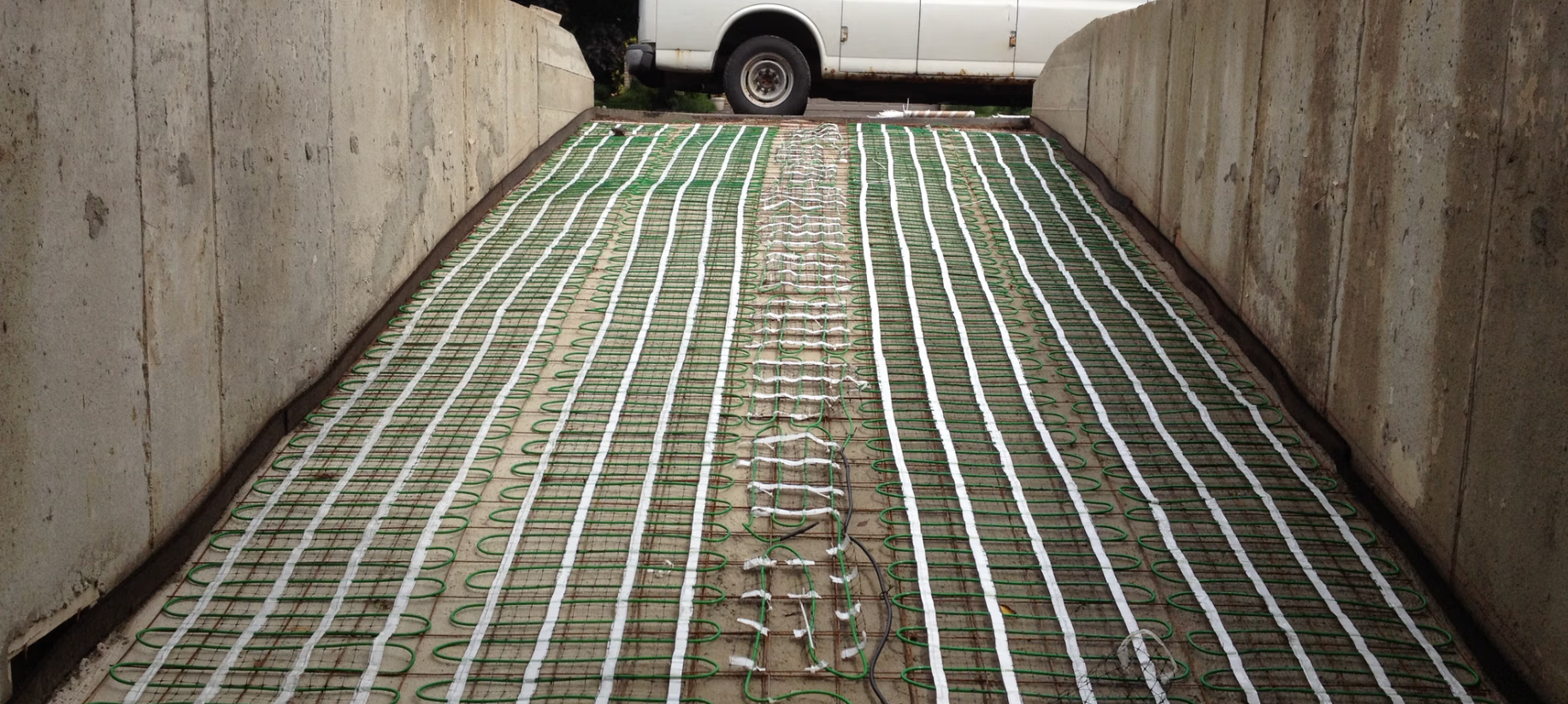
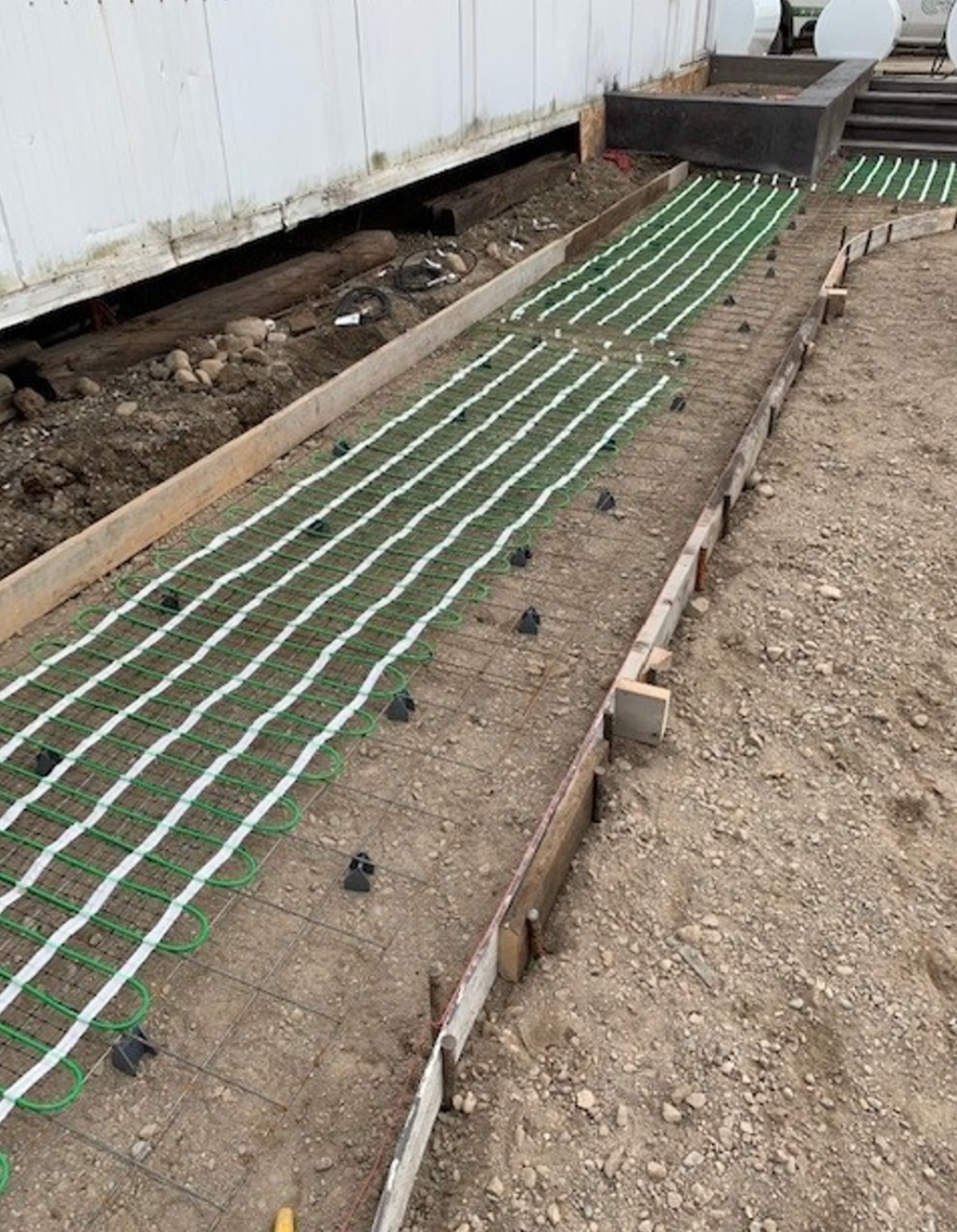
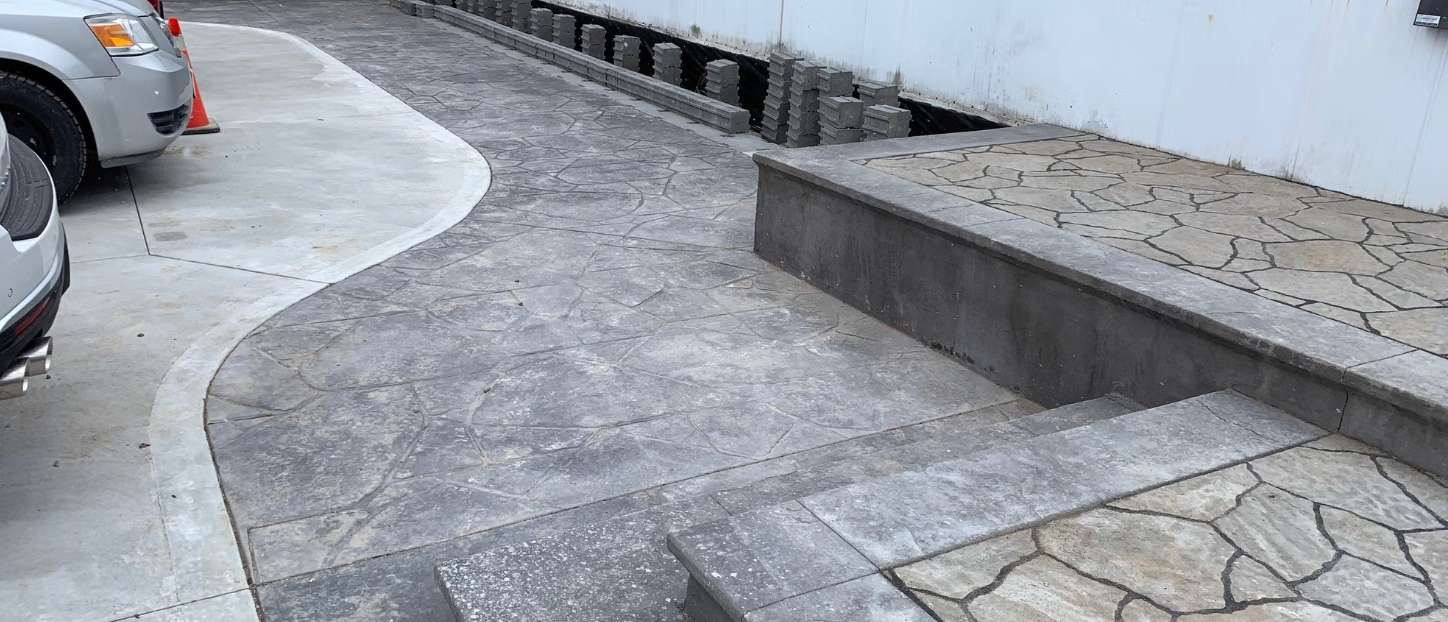
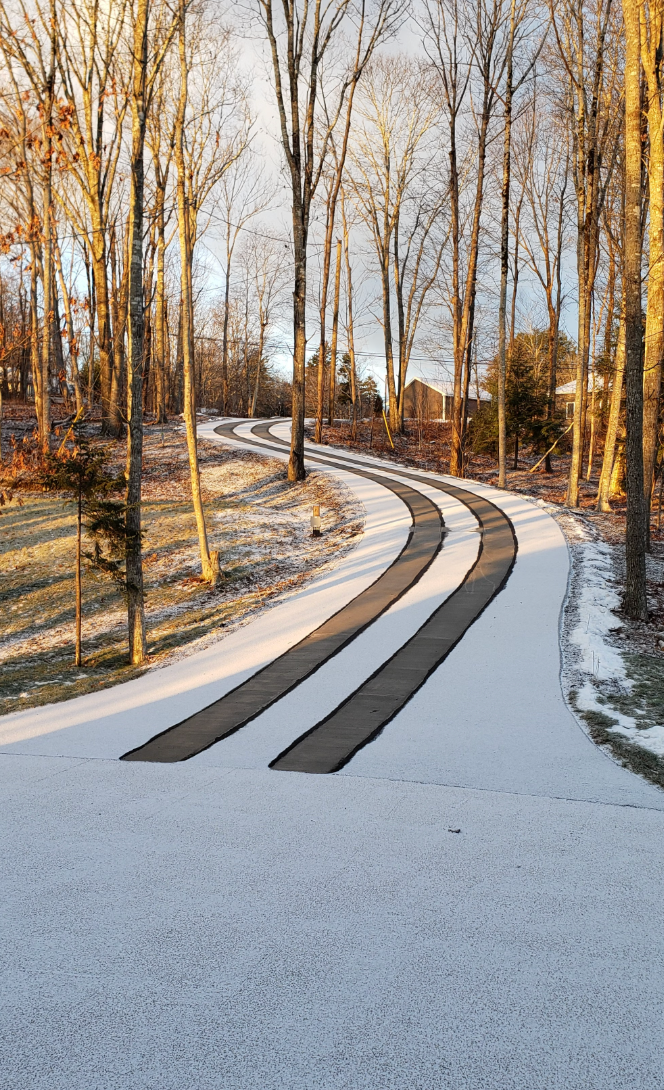
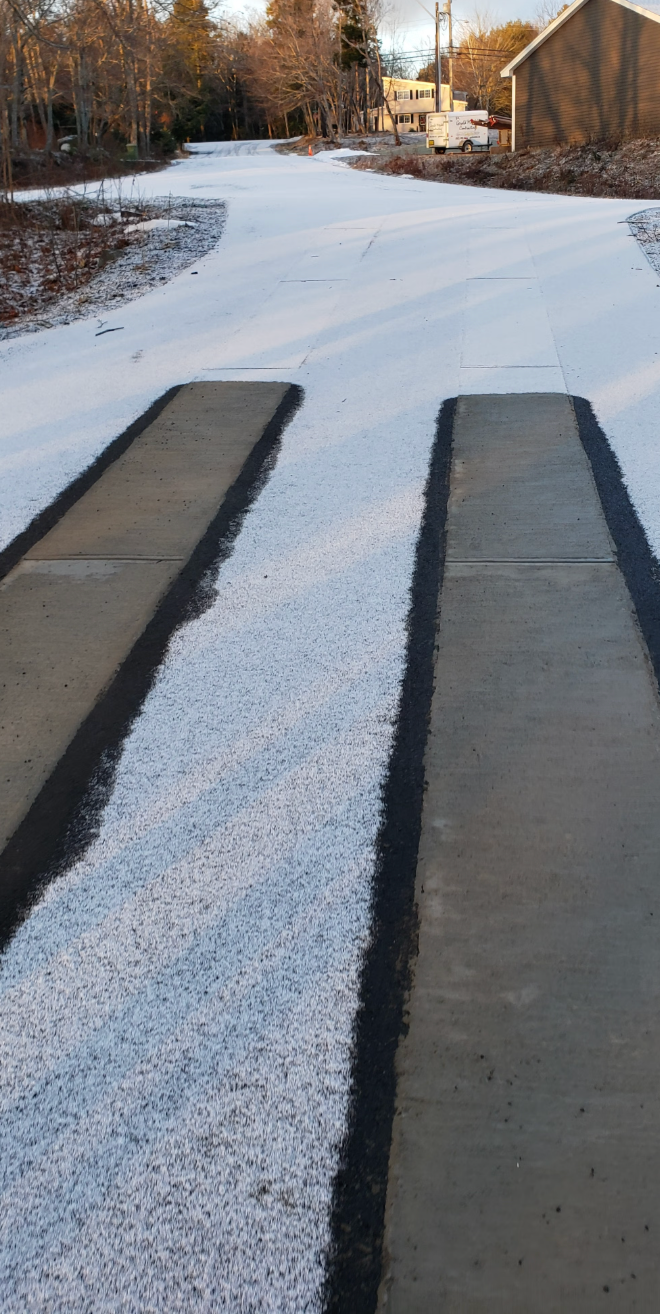
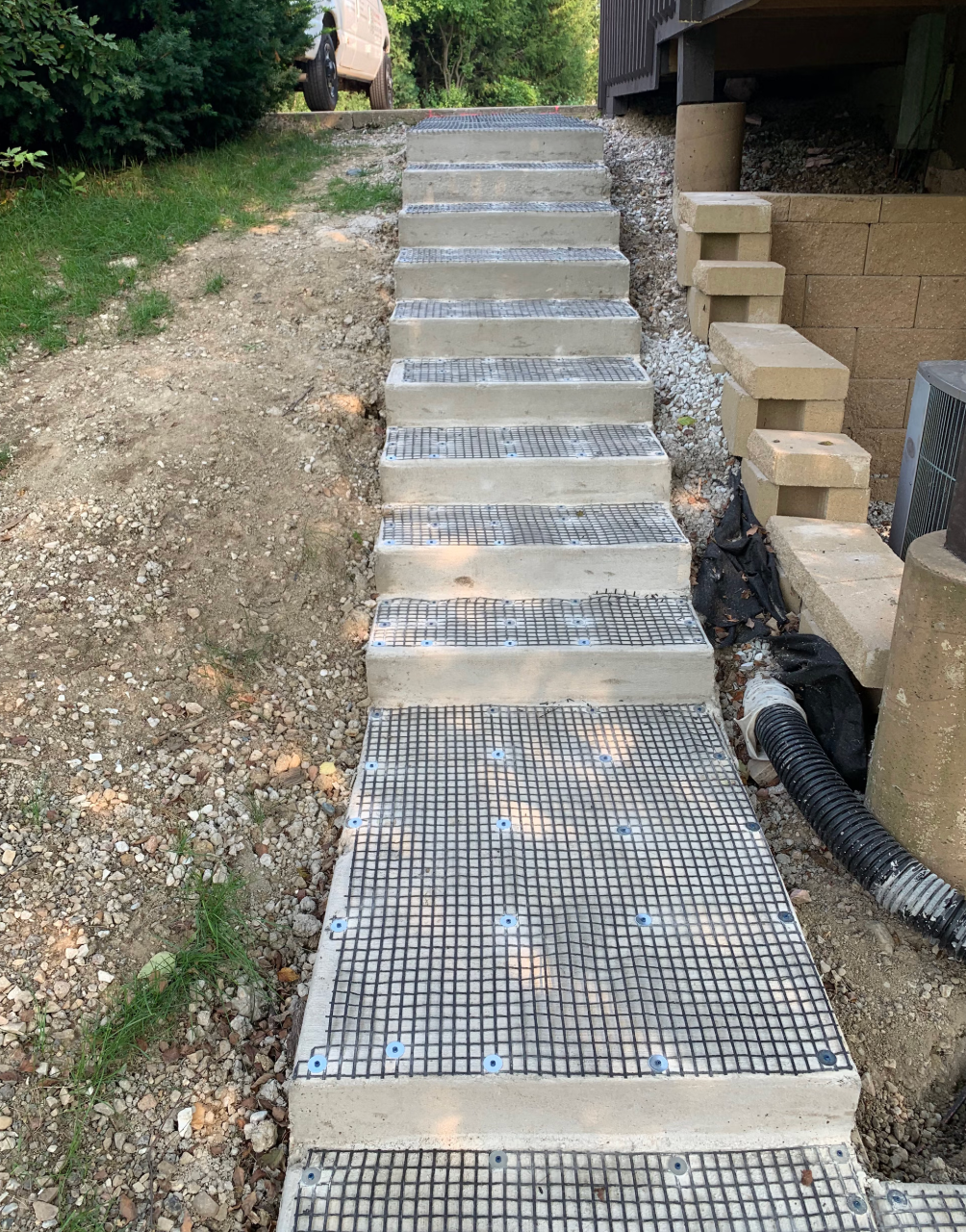
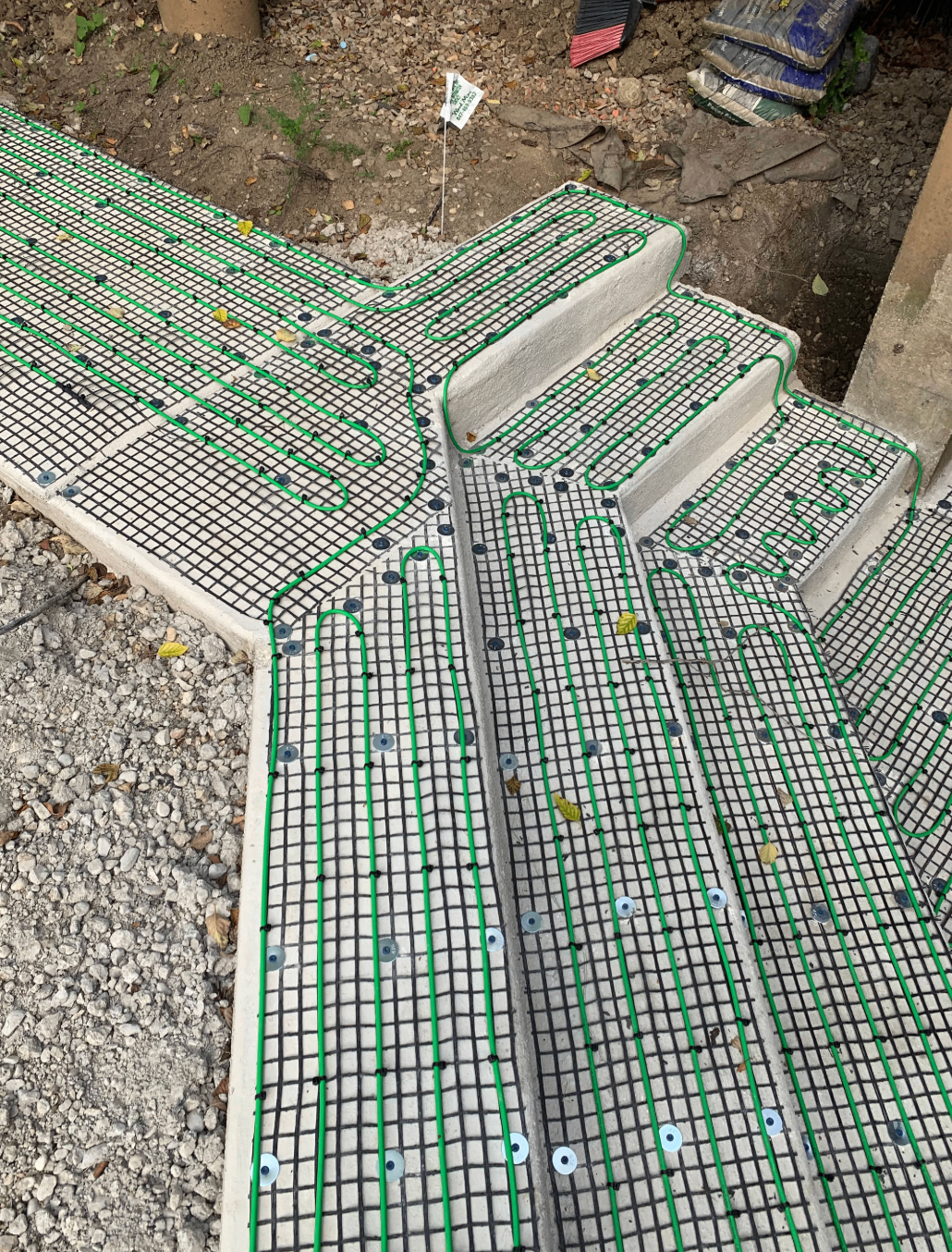
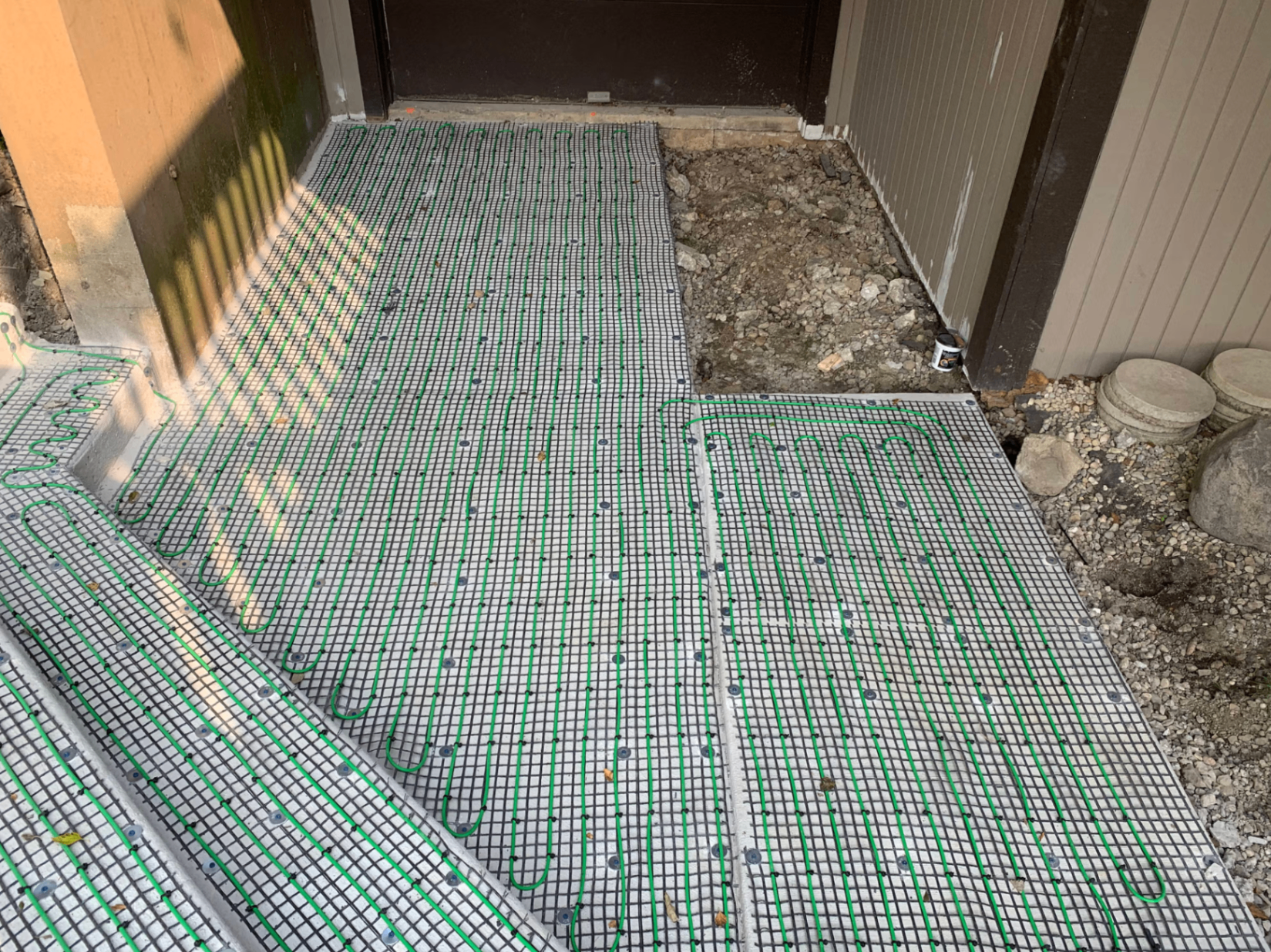
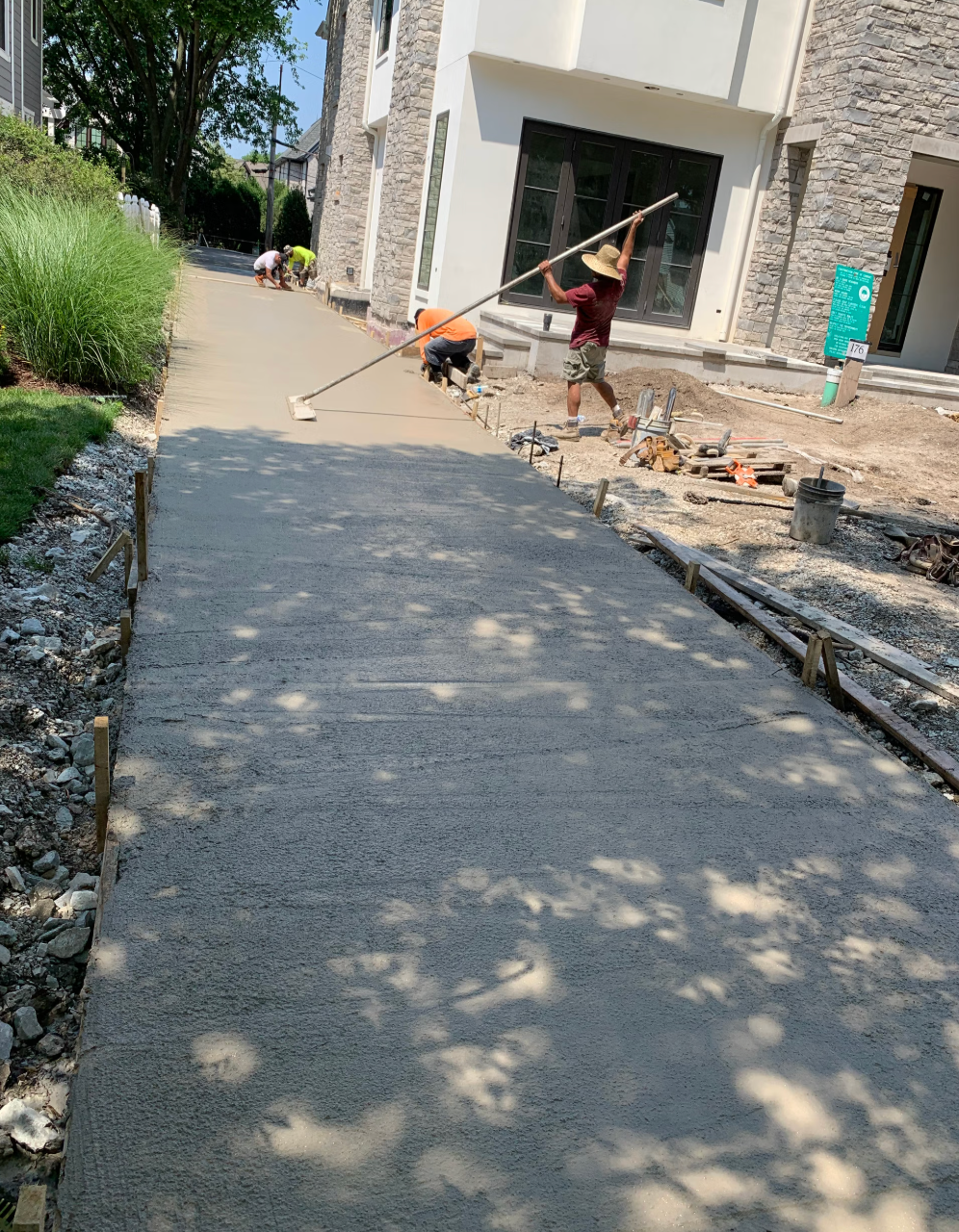
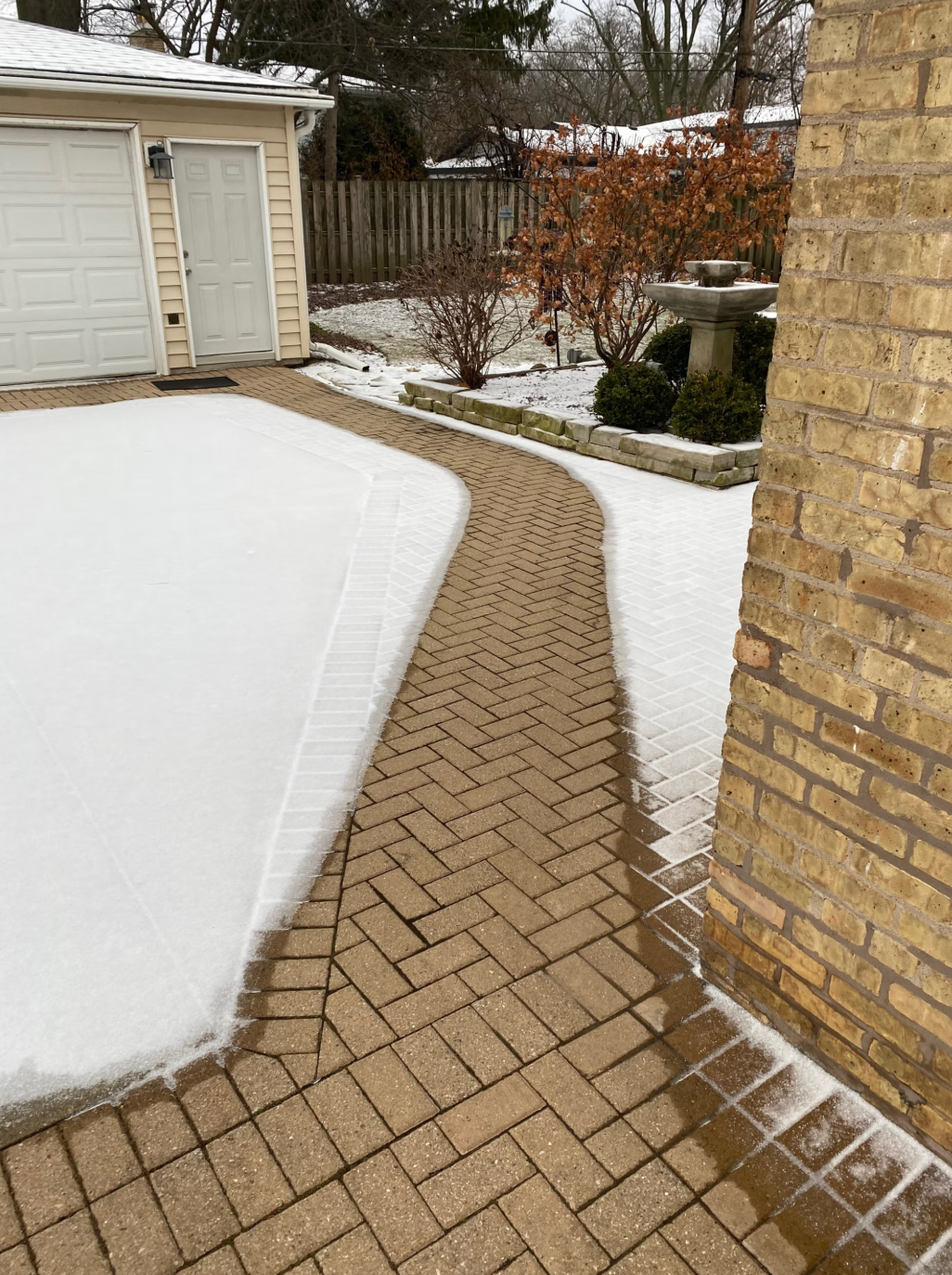
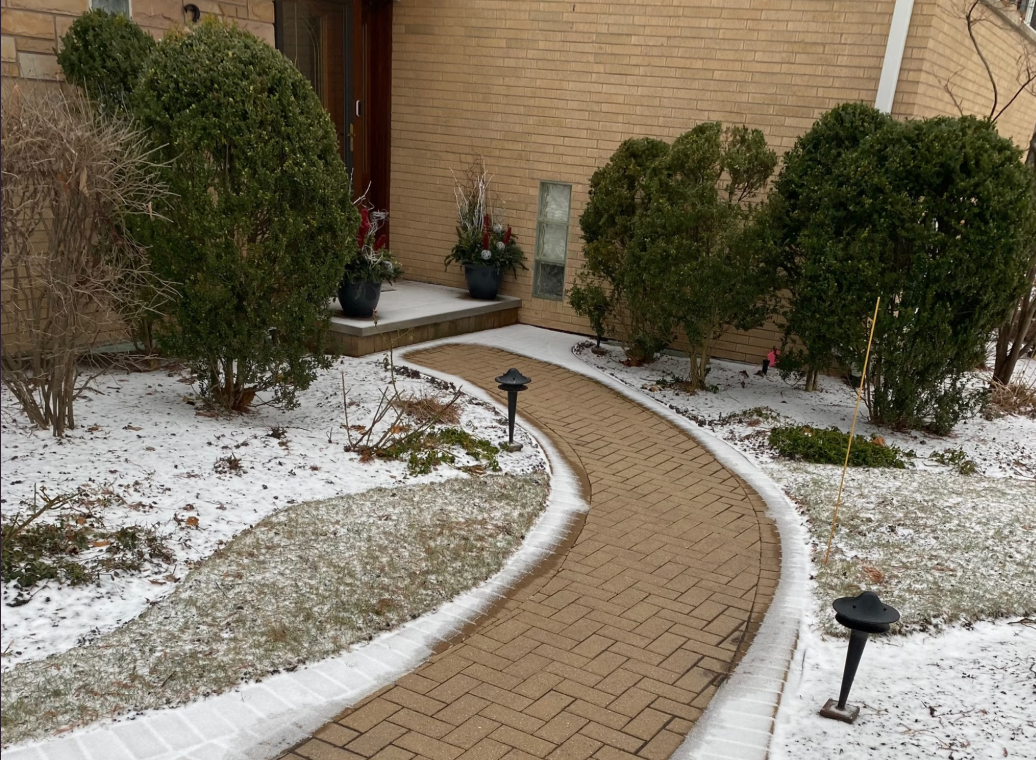
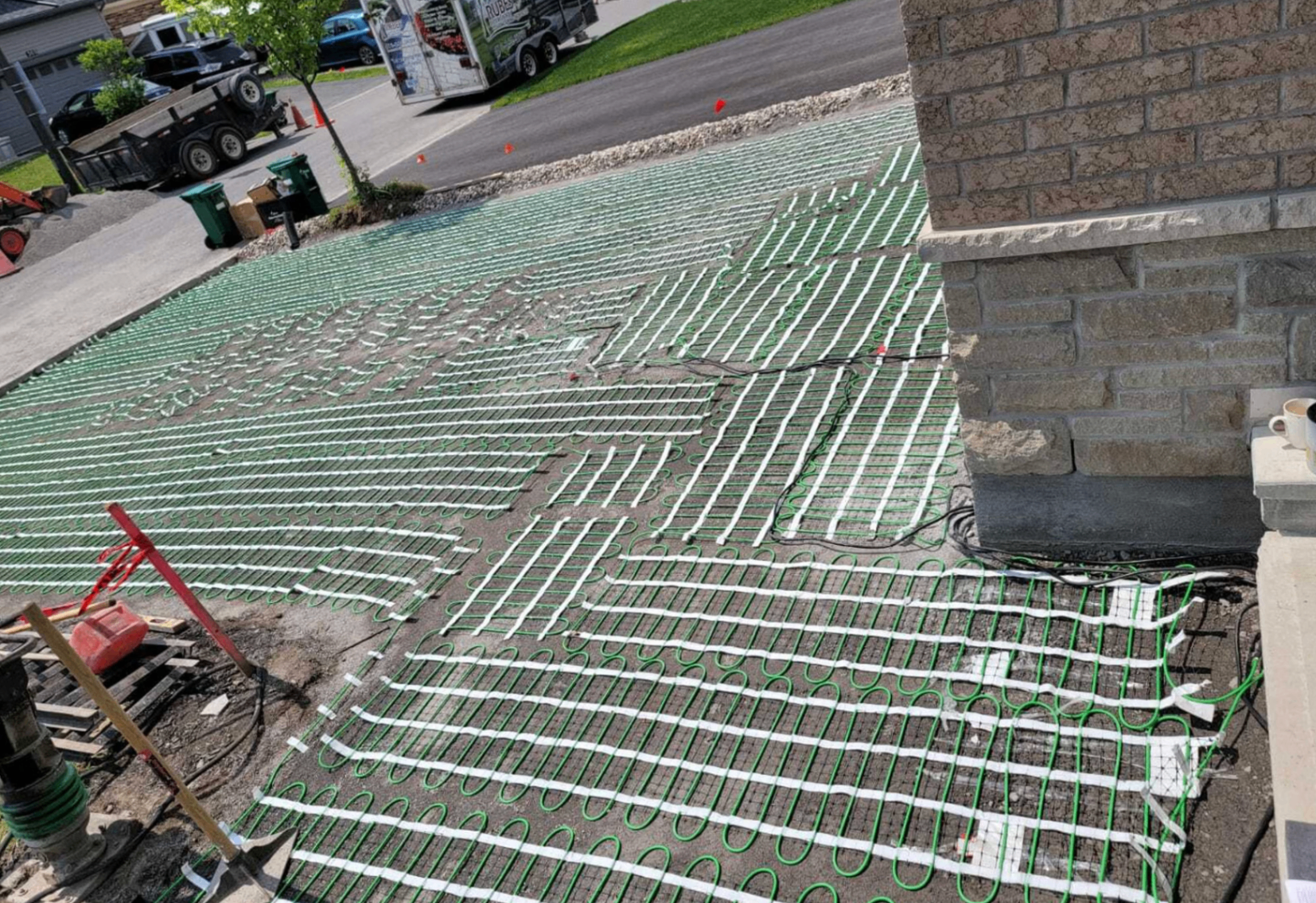
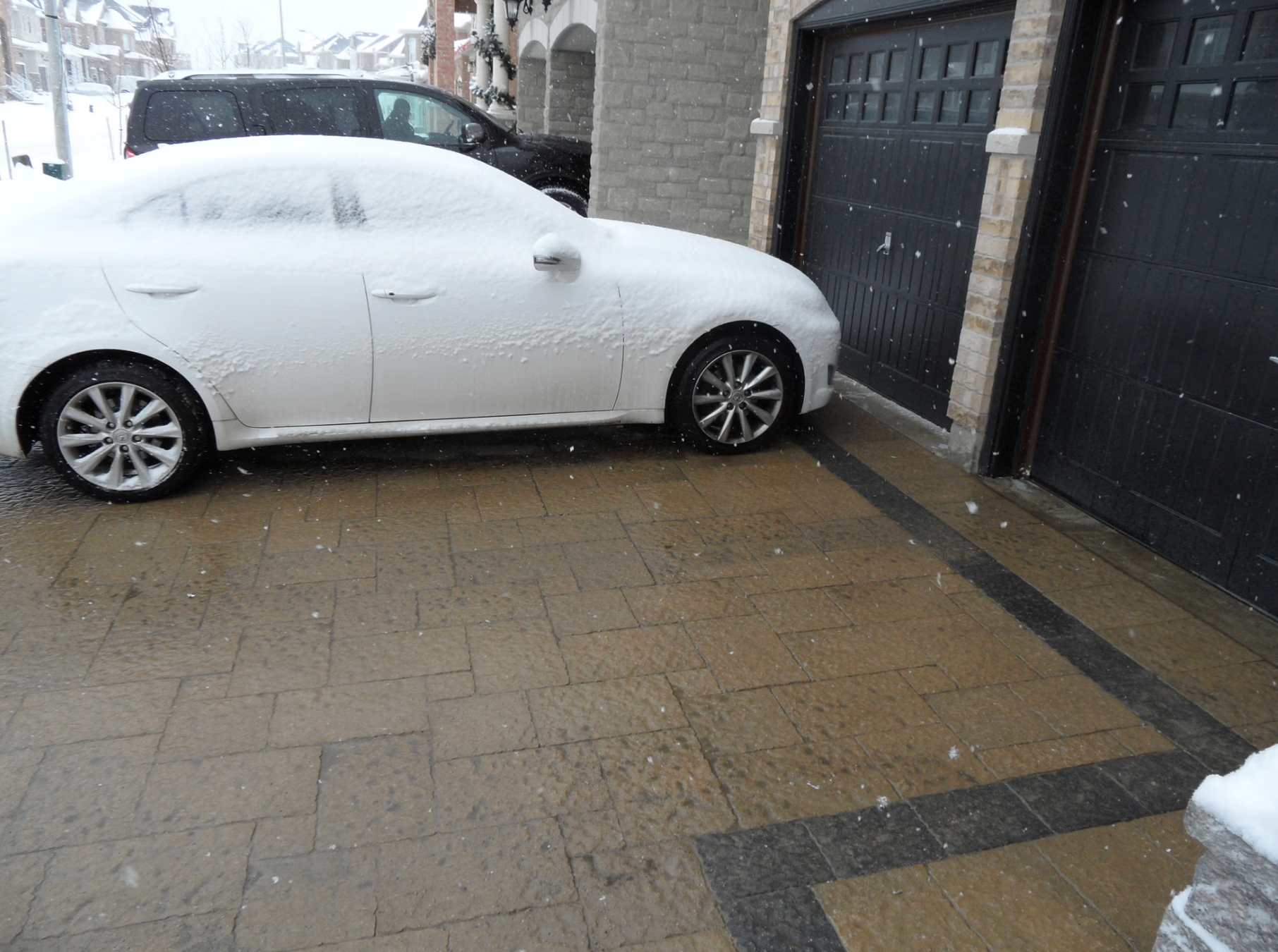
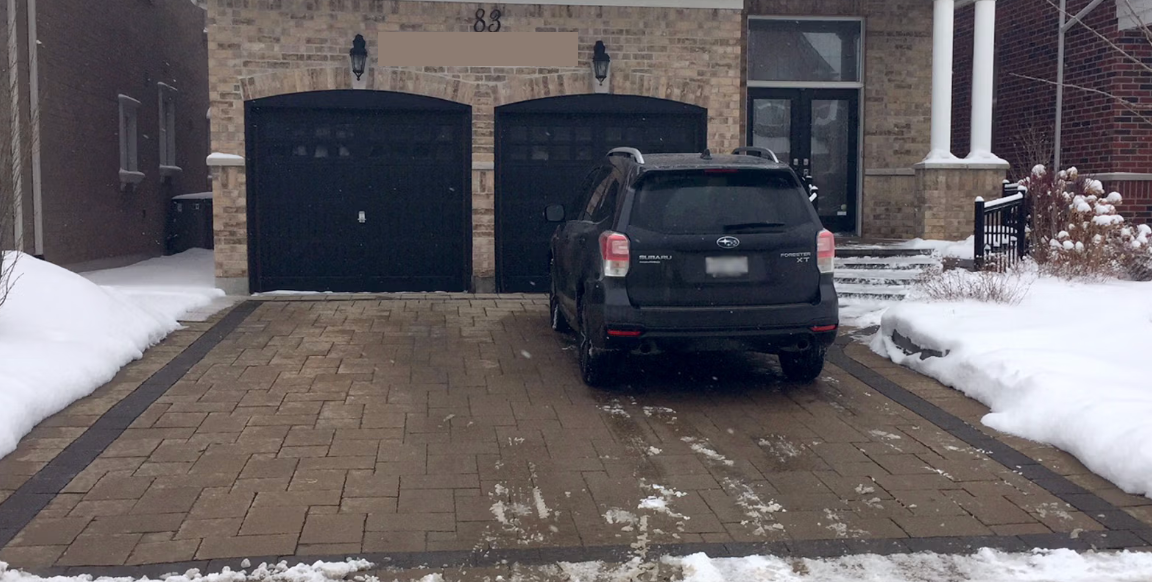
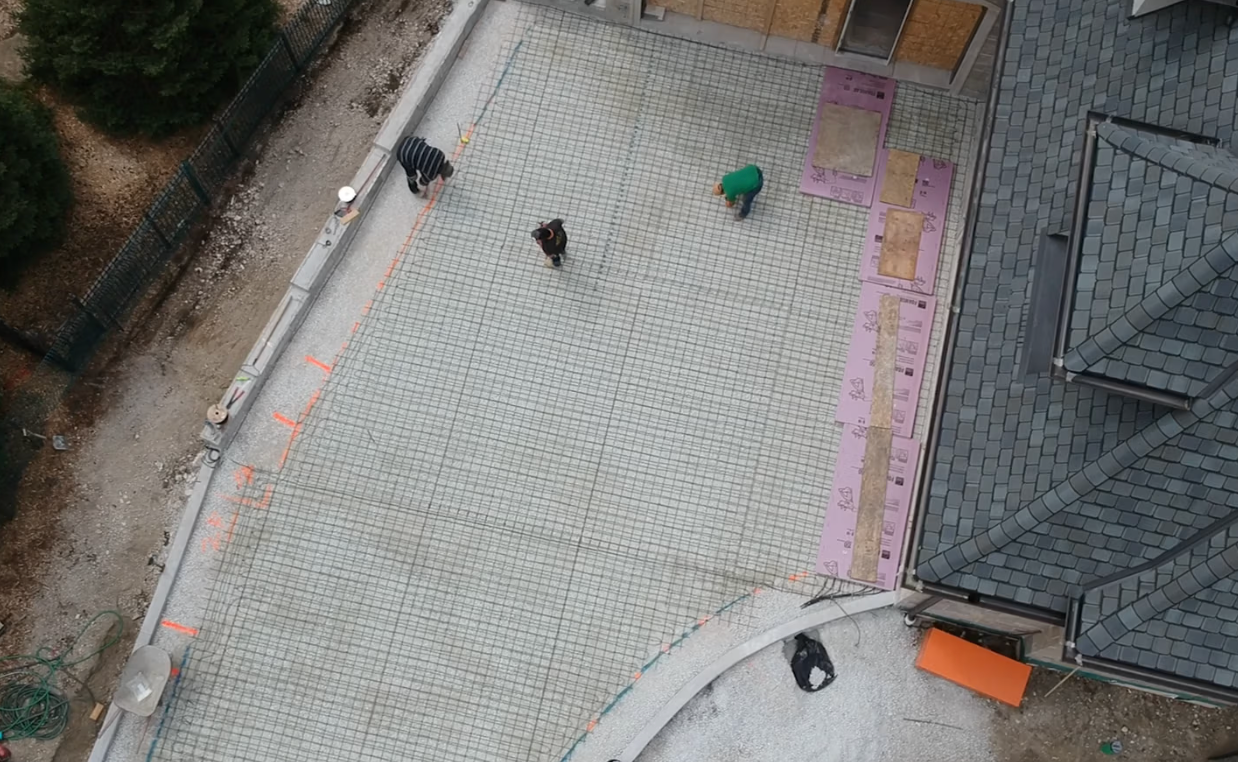
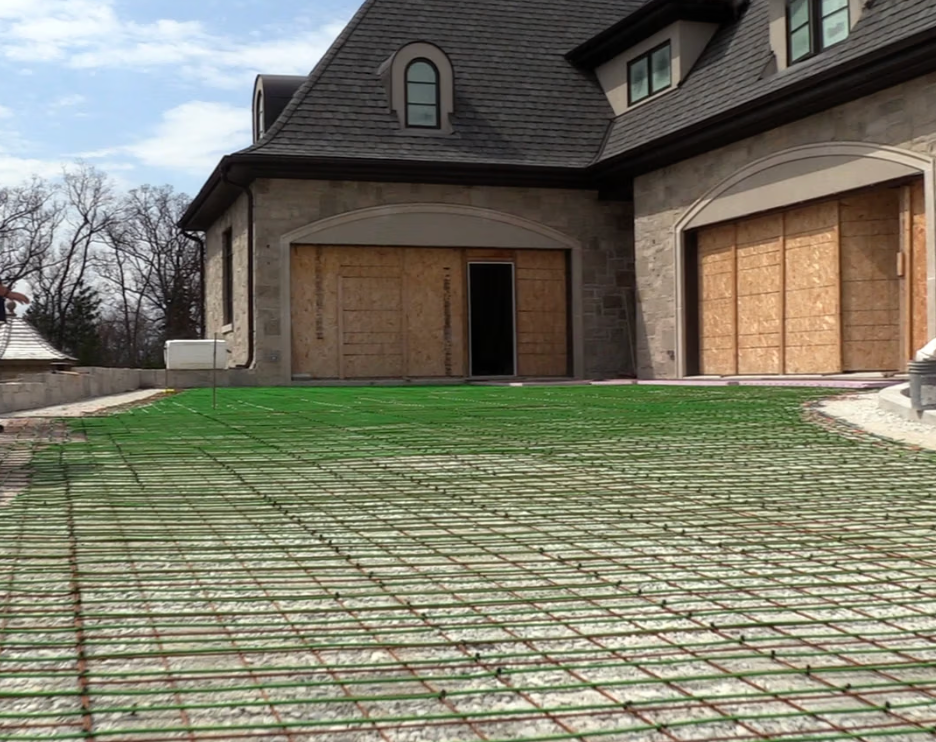
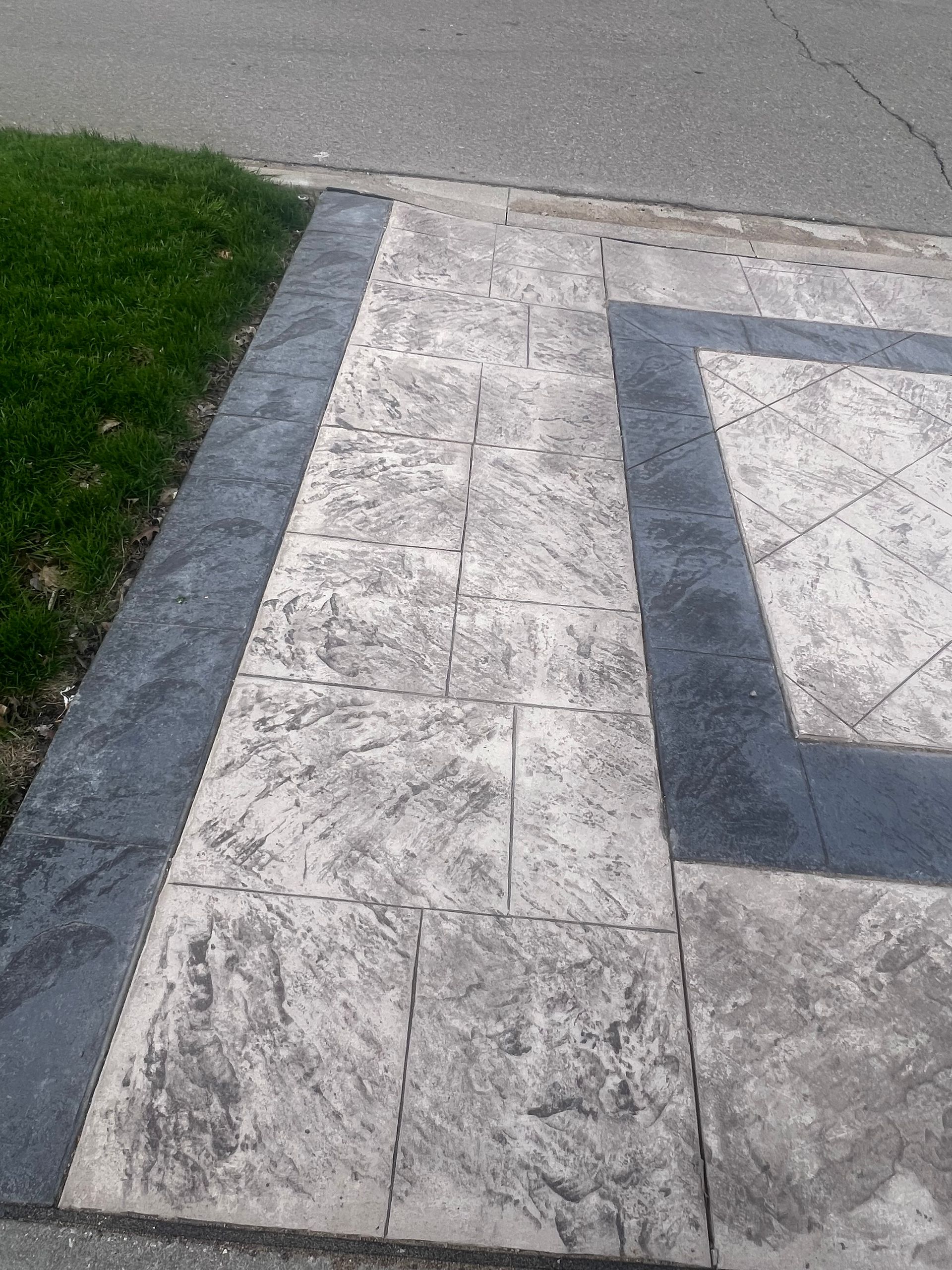
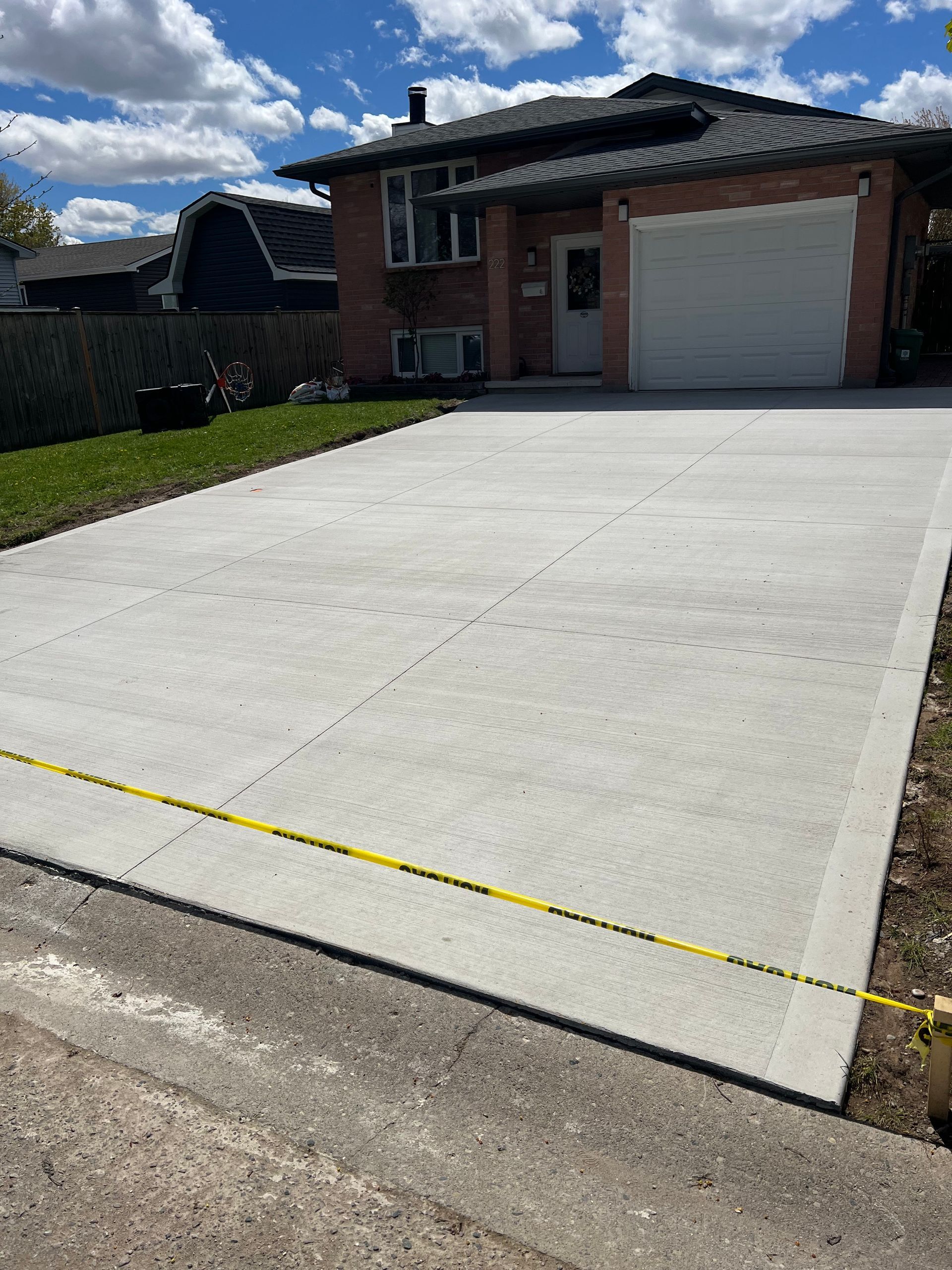
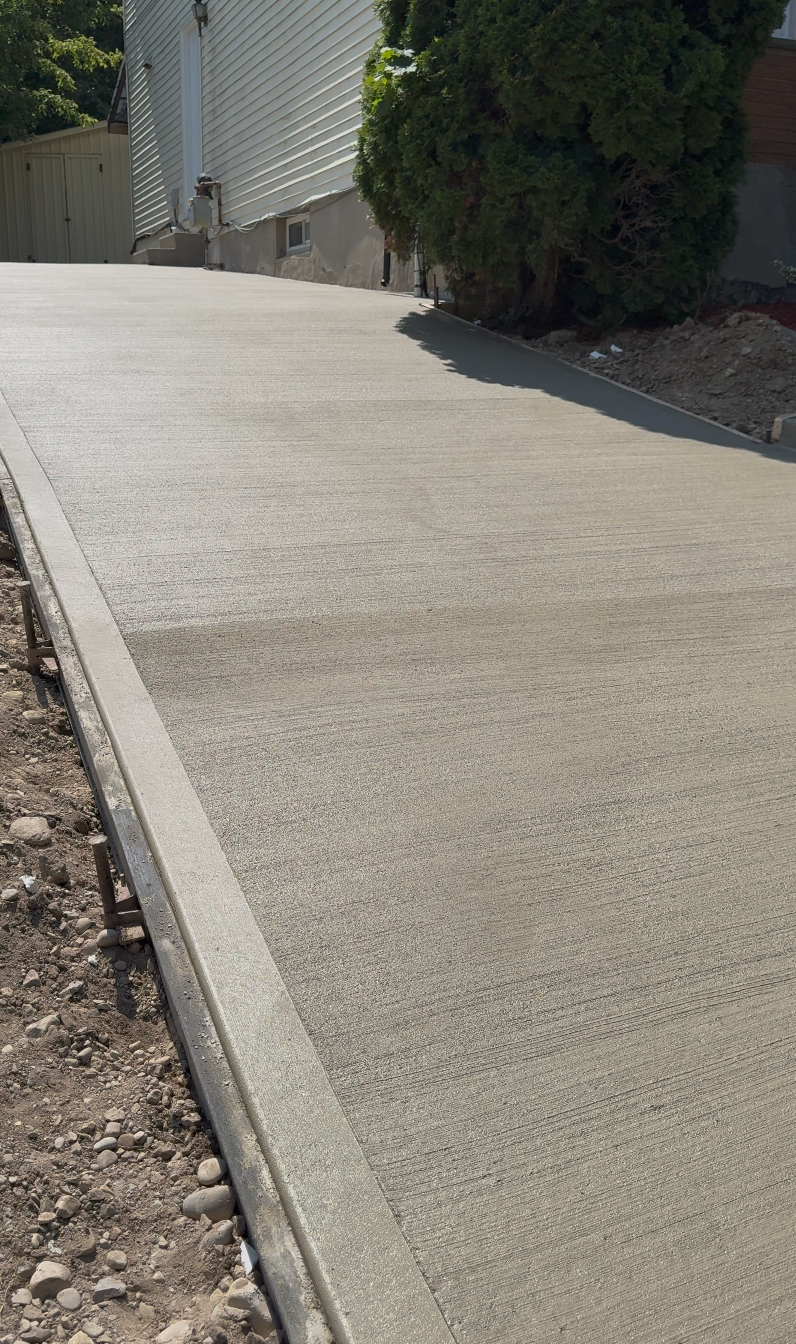
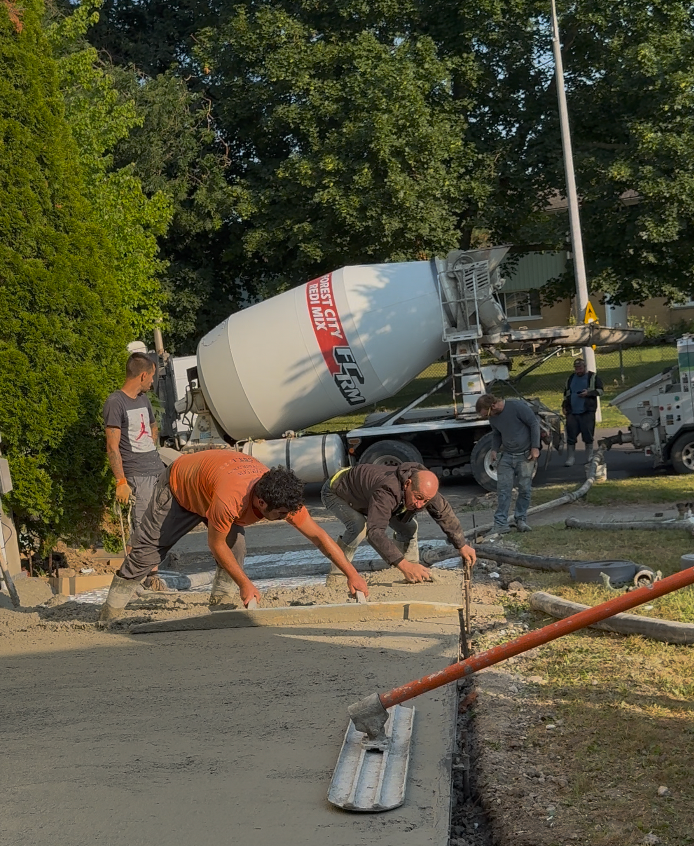
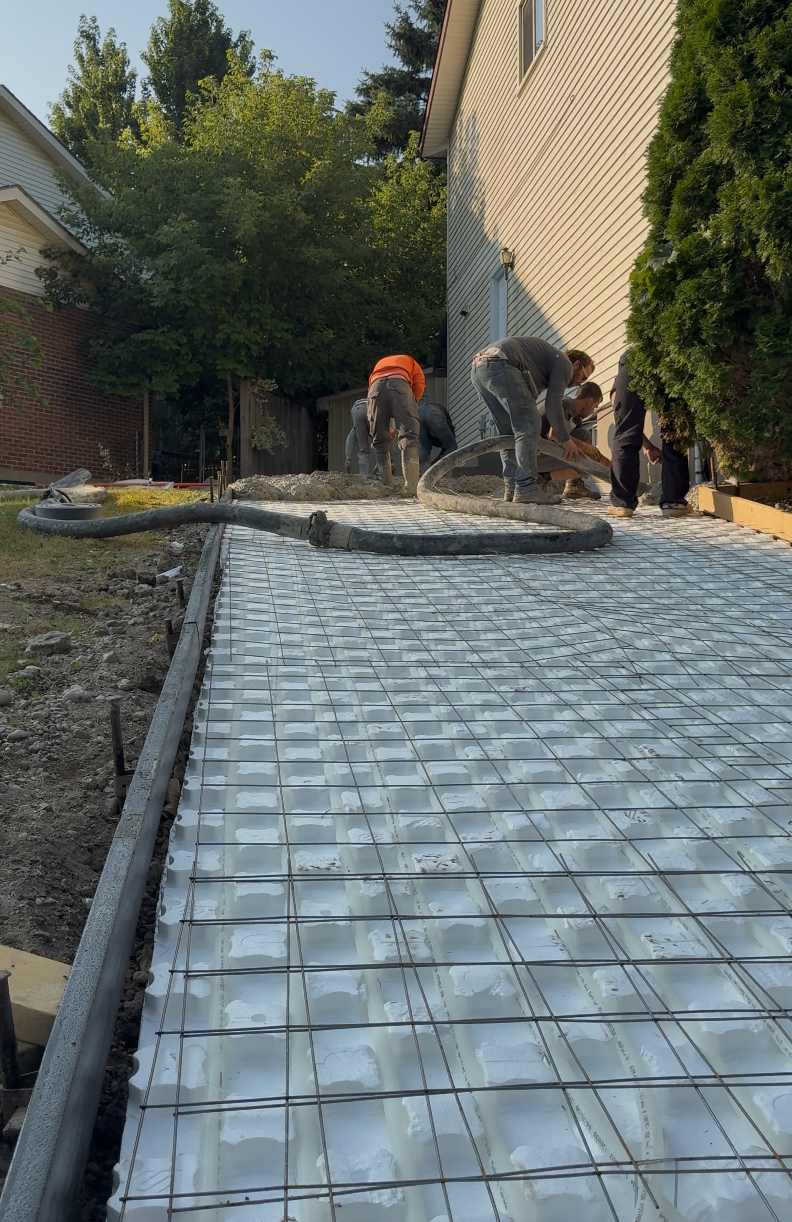
View completed heated driveway and snow-melting projects from London, Southwestern Ontario, and the Greater Toronto Area. Our gallery shows the tubing layouts, concrete work, installation process, and finished surfaces involved in these projects.


AREAS WE SERVE
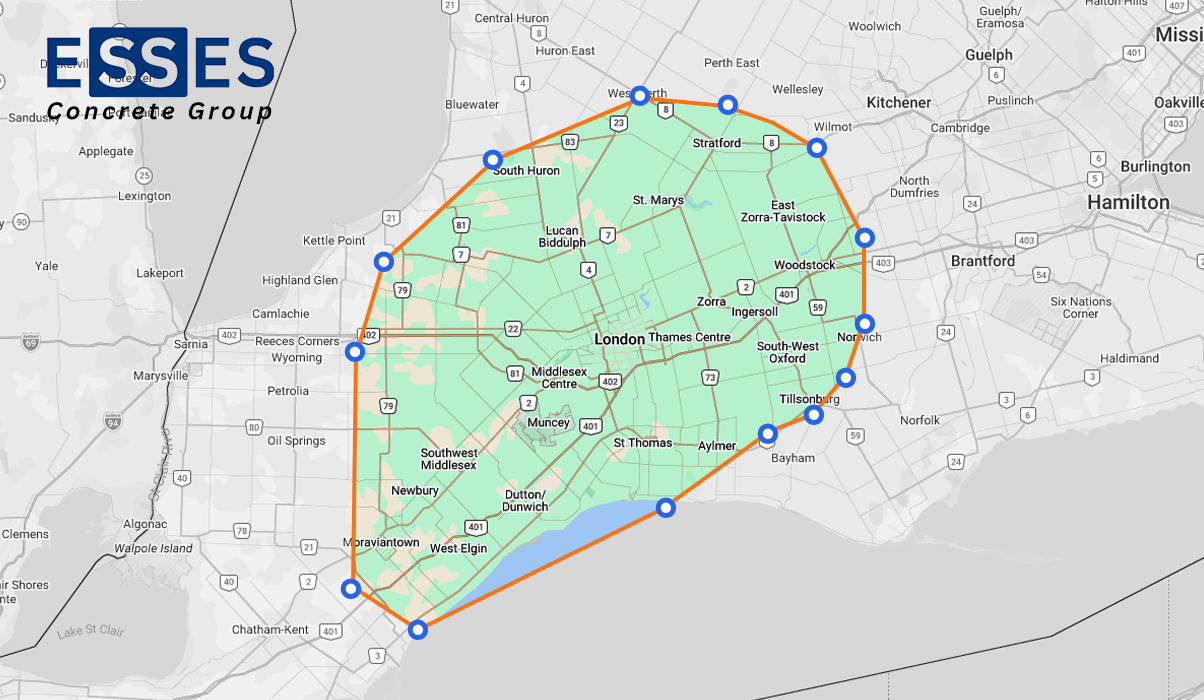
ESSES Concrete Group is one of the trusted concrete contractors London Ontario homeowners rely on for premium heated driveway, driveway, patio, and walkway work. See the full list of communities we serve below.
FREQUENTLY ASKED QUESTIONS
Hydronic heated driveways combine concrete construction with a heating system installed below the surface. Here are simple answers to common questions about cost, installation, operation, and maintenance.
How much does a hydronic heated driveway cost in London, Ontario?
The cost depends on the size of the heated area, the condition of the existing driveway, and the equipment needed. Concrete removal, excavation, drainage, tubing, boilers, sensors, and controls can all affect the final price. ESSES Concrete Group provides a custom estimate after reviewing your property and project requirements.
How does a hydronic heated driveway work?
A boiler or other heat source warms fluid that flows through tubing beneath the concrete. The heat moves into the driveway surface and helps melt snow and ice. Sensors can detect cold temperatures and moisture, allowing the system to turn on automatically when needed.
What is a boiler heated driveway?
A boiler heated driveway is another name for a hydronic heated driveway. The boiler heats the fluid that circulates through tubing below the concrete. Some systems use a dedicated boiler, while others may connect to compatible existing equipment.
Is a hydronic or electric system better for my property?
Electric systems use heating cables and are often a practical choice for smaller driveways, walkways, and selected areas. Hydronic systems use heated fluid and are often better suited for larger driveways. The right choice depends on your property size, budget, available utilities, and preferred coverage.
Can a hydronic system be installed beneath existing concrete?
The tubing needs to be installed below the concrete. In most cases, the existing driveway must be removed and replaced. This allows the base, drainage, tubing, reinforcement, and new concrete to be planned as one complete system.
Do I need a dedicated boiler?
Not always. An existing heating system may be used if it is compatible and has enough capacity. Larger heated areas may require a dedicated boiler. We review your current equipment and property before recommending the right setup.
How much does a hydronic system cost to operate?
Operating costs depend on the size of the heated area, local weather, energy source, and how often the system runs. Automatic sensors help control energy use by turning the system on only when cold and wet conditions are detected.
Do I need to heat the entire driveway?
No. You can heat the full driveway or only selected areas. Common options include driving lanes, parking spaces, garage entrances, walkways, and steps. Heating smaller sections may help reduce installation and operating costs.
How long does installation take?
The timeline depends on the driveway size, site conditions, concrete removal, heating equipment, and chosen finish. The system must also be tested before and after the concrete is poured. We provide a clear schedule once the full project scope is confirmed.
How long does a hydronic heated driveway system last?
The tubing is protected beneath the concrete and has no moving parts. The boiler, pumps, sensors, controls, and manifold remain accessible for service. Regular maintenance may include checking the fluid, pressure, pumps, sensors, and controls.